
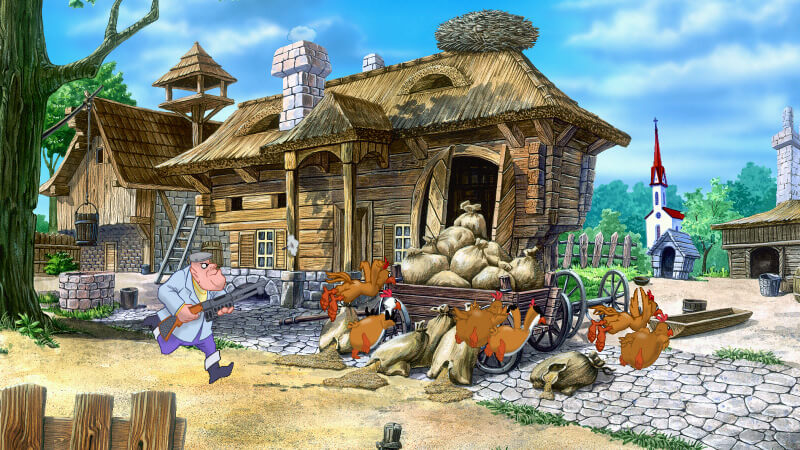

Approaching a stage with a microphone often activates a primal fight-or-flight response, https://chickenshootcasino.eu/. For UK performers, these nervousness can halt a performance. We are examining an unconventional training tool: the Chicken Shoot Game. It seems like a straightforward arcade title, but its mechanics create a unique, low-stakes environment to train the core psychological skills for open mic success. This article breaks down how performers can incorporate this game into their routine to develop concentration, control nervousness, and improve under pressure. We will go through a nine-step framework to utilize the tool well, moving from theory to real-world use for stand-ups, singers, and writers.
The Study of Stage Fright & Arousal
Stage fright comes from our body’s natural reaction to a imagined threat. Adrenaline saturates the system. The outcome is shaky hands, a thumping heart, and a fragmented mind. That’s the complete opposite of what you require to land a punchline or hit a high note. Managing nerves isn’t about removing this feeling, but refocusing the energy. The objective is to teach your mind to keep focused on the job despite the physiological chaos. Old tricks like imagining the audience naked rarely work. Practical, consistent conditioning of your focus develops more genuine confidence. A crucial part of this is reinterpreting your body’s signals. That racing heart isn’t panic. It’s preparative energy, a notion you can master through structured exposure.
Training Selective Attention and Focus
The basic action in Chicken Shoot Game is targeting. This actively trains selective attention. That’s the capacity to concentrate on one task while filtering everything else out. For a performer, the target might be the next line of a poem, a chord change, or the precise timing of a joke’s delivery. By practicing the physical and mental act of locking onto a moving target in the game, you enhance the neural pathways for focus. Over time, this trained focus becomes simpler to access on stage. It enables quiet the internal noise of self-doubt and external distractions. You discover to treat intrusive thoughts as background graphics. You observe them, but you decline to let them pull your aim away from the current goal of performing.
Incorporation into a Comprehensive Practice Regime
Chicken Shoot Game is a instrument, not a full solution. It belongs as part of a broader preparation strategy. That strategy encompasses content mastery, vocal warm-ups, and physical rehearsal. Think of it as sharpening your mental axe. We recommend using it after you rehearse your material but before a full dress rehearsal or the actual event. This positions the cognitive skill training in the proper context. First you understand your act, then you train your mind to deliver it under pressure. The game’s value is in reinforcing the mental fortitude that bolsters your technical skill. A well-rounded regime for a UK open mic performer could involve material revision, physical warm-ups, ten minutes of targeted gaming, and then a full run-through.
Gameplay Systems as a Stress Simulator
Titles such as Chicken Shoot Game establish a regulated tension space. The central gameplay requires quick aiming, timing, and scorekeeping. It demands unbroken attention. As the stages increase, the difficulty escalates. This replicates the rising stakes of a onstage act. The instant feedback, a hit or a miss and the score change, echoes the direct and often harsh reaction of a live audience. This cycle of action and consequence happens in a consequence-free space. That is priceless. It lets you experience and acclimate to tension without any fear of onstage mistakes, strengthening psychological toughness. The game’s growing challenges push you to keep composure as scenarios get more intricate. It’s directly similar to maintaining your performance when a cup shatters or a phone rings mid-act.
Creating a Cognitive Warm-up Ritual
Consistency comes from practice. Athletes prepare their bodies. Performers must warm up their minds. A short, focused ten-minute session with Chicken Shoot Game can serve as an excellent cognitive warm-up. This ritual indicates to your brain that it’s time to achieve a state of flow and high concentration. The goal isn’t a high score. It’s about engaging the specific mental muscles your act demands. By consistently pairing this activity with your preparation, you build a reliable psychological anchor. This anchor can soothe nerves and trigger a performance-ready mindset anywhere, be it a backroom in a London pub or a community hall in Edinburgh. The ritual itself becomes a trigger for confidence.

Adjusting Internal Timing and Rhythm
Excellent performances live and die by timing. Comedy, music, and poetry all rely on a precise sense of rhythm. Chicken Shoot Game is inherently about rhythm. It’s in the emergence of targets, the speed of play, the cadence of your actions. Playing requires you to internalize a beat and react within it, even as the variables shift. This is direct practice for keeping your personal rhythm when nerves try to speed you up. You come to understand to keep your internal metronome constant. That skill carries over perfectly to maintaining a pause for laughter or keeping a musical tempo. The game penalizes frantic, rushed actions. It favors calm, timed responses. In doing so, it trains a performer’s pace.
Connecting the Online to the Space
The assurance you acquire in the game must be consciously transferred to the real world. After a gaming session, shift immediately to a performance-specific task. Rehearse your set. The concentrated, adaptable state the game cultivates can carry over. You start to link the physical feelings of attention and mild pressure with success and command. Your heightened heart rate and intensified awareness become well-known tools for peak performance, not signals to flee. You tangibly rehearse transferring the game’s serenity, focused focus into your vocal delivery or your actions on stage. This reshaping is powerful.
Practising Error Recovery and Forward Momentum
On stage, a wrong note or a joke that lands badly can spiral into more mistakes if you permit it. Chicken Shoot Game instills rapid error recovery. You overshoot a target, and the game continues immediately. The only effective response is to instantly re-engage with the next target. This builds a mindset of forward momentum, which is crucial for live performance. You train acknowledging a flub without fixating on it. You train your brain to always search for the next target. That’s the next line, the next verse, the next segment. This maintains the performance alive and moving. It builds mental agility, diminishing the catastrophic thinking that can convert a single mistake into a ruined set.
Establishing Realistic Expectations and Limitations
Keep your expectations realistic. A game simply cannot replicate the full depth of human audience interaction. It does not copy the feel of a microphone or the unique physical aspects of your instrument. Its main job remains to train baseline focus, timing, and resilience. It does not cure deep-seated anxiety disorders. For those, professional help is the right path. View the game as specific, supplementary training. The goal remains incremental improvement in controlling your nerves, not a magical cure. Steady, mindful practice with this tool offers you the best results over time. Assess success in small ways. Look for a slightly steadier hand, a quicker recovery from a memory lapse, or a greater sense of control during your next five-minute slot.